
LinkedIn Lead Magnets: What to Offer Your Audience
 Bas Smeets7 min read
A lead magnet on LinkedIn gives someone a reason to hand over their email address in exchange for something genuinely useful. For coaches, the best lead magnets are ones that give the reader a taste of how you think, not just generic information.
Most coaching lead magnets fail because they promise something general. "Download my free guide to finding your passion" does not make anyone feel like they are getting something they cannot find anywhere else. The lead magnets that work promise a specific result: a self-assessment, a framework applied to a specific situation, or a short exercise that produces a real insight.
What makes a good lead magnet for coaches on LinkedIn?
Three things. It must be specific enough that the right person immediately knows it is for them. It must be useful enough to be worth an email address. And it must give the reader a sense of how you think, not just what you know.
The last point is the one most coaches miss. A lead magnet that delivers information builds awareness. A lead magnet that shows your coaching approach in action builds trust. Trust is what leads to clients.
Your lead magnet is a coaching preview
The best lead magnets for coaches are miniature coaching experiences. A self-assessment that asks the same questions you would ask in a first session. A framework that walks the reader through the first step of the process you use with clients. A short exercise that produces the kind of insight that usually only comes from working with you. The reader finishes it thinking "if this is the free version, what would working with this person actually be like?"
What lead magnet formats work for coaches on LinkedIn?
Self-assessments and quizzes
These convert well because they are interactive and promise a personalized result. "Where are you stuck in your career transition? Take this 5-minute assessment" works because it promises to tell you something about yourself, which is exactly what coaching does.
Short frameworks or worksheets
A single-page PDF with one exercise that produces a genuine insight. Not a 40-page ebook, a one-page framework. "The 3 questions I ask every client in their first session" as a downloadable worksheet gives the reader a direct experience of your approach.
Short video trainings
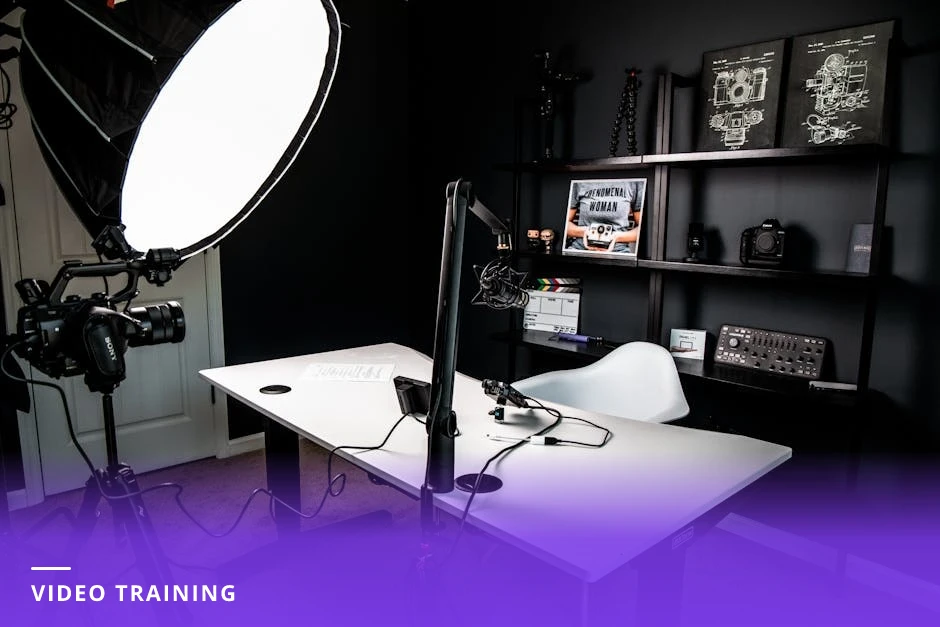
A 10 to 15 minute video walking through one specific concept. This combines the value of the framework with the trust-building effect of video. The viewer sees you, hears how you think, and gets something useful in the process.
Checklists
"Before your next difficult conversation at work, check these 7 things" is the kind of specific, immediately useful content that a professional will exchange an email for. Checklists work because they promise a quick result and deliver on it.
Keep it short, keep it specific
The biggest mistake coaches make with lead magnets is making them too long. A 30-page ebook on career transitions sounds valuable, but most people who download it never read past page four. A one-page assessment or a three-slide framework gets completed, and completion is what builds the trust that leads to a conversation.

How do you promote a lead magnet on LinkedIn?
Not in every post. The lead magnet should be available in your LinkedIn Featured section, mentioned in your About section, and referenced in a post once every two to three weeks. More than that and your content starts to feel promotional.
The best way to promote a lead magnet on LinkedIn is to write a post about the topic the lead magnet addresses, deliver genuine value in the post itself, and mention the lead magnet at the end as "if you want to go deeper." The post earns the right to mention the lead magnet by being valuable on its own.
Put the link in the first comment, not in the post body. LinkedIn suppresses reach on posts with external links. How the LinkedIn algorithm works explains the mechanics behind this.
What should coaches do after someone downloads the lead magnet?
Follow up. Not with a pitch, but with value. A short email sequence of three to five emails that expands on the topic of the lead magnet, shares additional insights, and at some point invites the person to a discovery call if it makes sense for them.
The mistake is either no follow-up at all (the person downloads and never hears from you again) or an immediate sales pitch (the person downloads and feels like they walked into a hard sell). The middle path is a sequence of useful emails that build trust over one to two weeks and make a soft offer for a call at the end.
My personal recommendation is to test a lot of different leadmagnets, see which one works and follow up on everyone personally, until you found out what works for your audience.
Do coaches need a lead magnet on LinkedIn?
Not to start. A clear profile and consistent content will generate inbound inquiries without a lead magnet. A lead magnet becomes useful when you want to build an email list alongside your LinkedIn audience, because an email list is an asset you own and LinkedIn followers are an asset LinkedIn owns.
If you already have consistent content and a warm audience, adding a lead magnet gives you a way to capture the people who are interested but not yet ready to reach out. They might not book a call today, but with a lead magnet you can stay in their inbox and continue the relationship off-platform.
A simple lead magnet strategy for coaches
Create a one-page self-assessment based on the main question your ideal clients bring to coaching. Put it in your Featured section. Mention it in your About section. Write a post about the topic once every two to three weeks and mention the assessment at the end. Set up a three-email sequence for people who download: email 1 delivers the assessment, email 2 shares a related insight, email 3 offers a discovery call. That is the whole system.
CoachCraft helps coaches create the content that makes their lead magnets visible and their LinkedIn presence consistent. Try it free at coachcraft.io.
Frequently asked questions
What is a lead magnet for coaches?
A free resource offered in exchange for an email address. For coaches, the best lead magnets are self-assessments, short frameworks, or exercises that give the reader a taste of your coaching approach and produce a genuine insight about their situation.
What is the best lead magnet format for coaches?
Self-assessments and one-page frameworks tend to convert best because they are quick to complete and deliver a personalized result. Long ebooks get downloaded but rarely read. Short, specific, and interactive outperforms long and informational.
How do I promote my lead magnet on LinkedIn?
Put it in your Featured section, mention it in your About section, and reference it at the end of relevant posts once every two to three weeks. Put the link in the first comment, not the post body. Let the post earn the right to mention it by being valuable on its own.
Do coaches need a lead magnet to get clients from LinkedIn?
Not to start. Consistent content and a clear profile generate inbound inquiries without one. A lead magnet becomes useful when you want to build an email list and capture people who are interested but not yet ready to book a call.
What should coaches include in a lead magnet email sequence?
Three to five emails over one to two weeks. Email 1 delivers the resource. Emails 2 and 3 share related insights or stories. The final email offers a discovery call, framed as a next step for anyone who found the resource useful and wants to go deeper.
How many people actually use lead magnets before booking coaching?
It varies. The lead magnet is not usually the deciding factor in booking a call. It is a touchpoint in a longer relationship. Most people who eventually become clients engaged with your content first, the lead magnet second, and then booked a call weeks or months later.
For a complete overview, see our How to Get Clients on LinkedIn: The Complete Guide.
Create LinkedIn Content That Converts
Join career coaches using CoachCraft to build their LinkedIn presence.
Get Started Free